
Blog

When planning a commercial kitchen, much of the attention naturally goes toward layout, equipment selection, and workflow design . While these elements are essential, there is another critical component that often receives less visibility but has an even greater impact on long-term performance: utility planning. Electrical systems, gas lines, water supply, drainage, and ventilation all form the foundation that allows a kitchen to function safely and efficiently. Without proper utility planning , even the most thoughtfully designed kitchen can experience operational issues, safety concerns, and costly delays. Understanding the importance of utilities early in the design process helps ensure that a kitchen is built to perform reliably from day one. Electrical Capacity and Distribution Electrical planning is one of the most important aspects of kitchen design. Modern commercial kitchens rely on a wide range of electrically powered equipment, from refrigeration systems to lighting and specialized appliances. If the electrical system is not designed with sufficient capacity , it can lead to overloaded circuits, frequent interruptions, or the inability to support new equipment. Proper load calculations are essential to determine how much power the kitchen requires. In addition to capacity, the placement of outlets and panels must be carefully considered. Equipment should be positioned so that power connections are accessible without creating clutter or safety hazards.
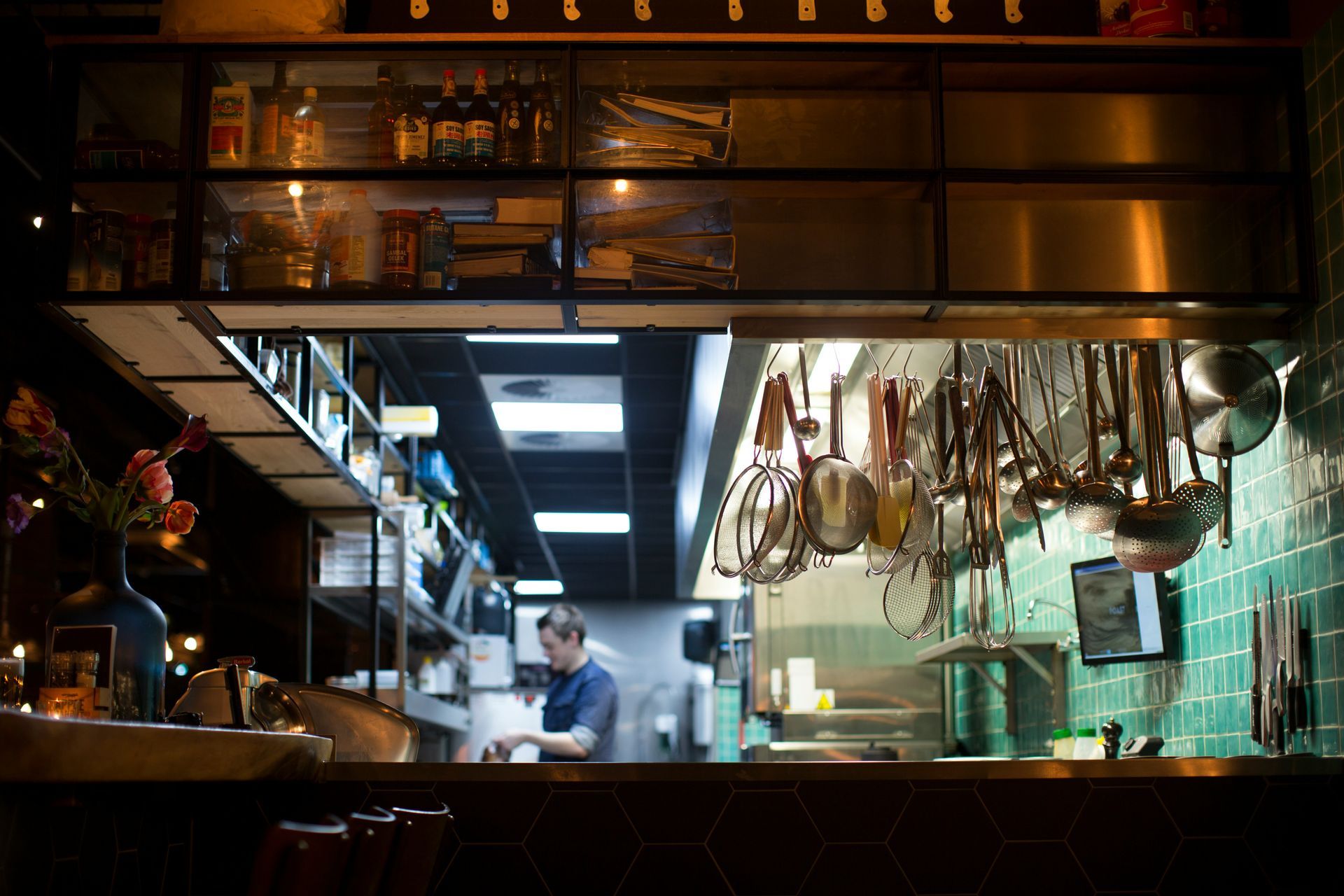
Keep Service Flowing During Busy Hours In any commercial kitchen , peak service hours reveal the true effectiveness of the design. A kitchen that appears functional during slower periods can quickly become congested, inefficient, and stressful when demand increases. Bottlenecks during peak hours do not just slow down service, they impact food quality, staff performance, and overall customer satisfaction. Reducing these bottlenecks starts long before the first meal is served. It begins with thoughtful kitchen design that prioritizes movement, workflow, and coordination. When a kitchen is designed with peak demand in mind, it allows staff to operate more efficiently even under pressure. Understanding Where Bottlenecks Occur Bottlenecks typically form in areas where multiple tasks overlap or where space is limited . Common problem zones include cooking lines, prep stations, plating areas, and pathways between workstations. During peak hours, staff must move quickly between tasks. If multiple team members are forced to share the same space or wait for access to equipment, delays begin to build. These delays can quickly compound, slowing down the entire operation. Identifying where congestion is most likely to occur is the first step in designing a more efficient kitchen.

The Hidden Cost of Poor Kitchen Design Food waste is a serious concern for restaurants, commercial kitchens, and food service operations. Rising food costs, tighter margins, and increasing awareness of sustainability have made waste reduction a priority for many operators. While food spoilage is often blamed on inventory management or over-ordering, one factor that is frequently overlooked is kitchen layout. The way a commercial kitchen is designed can significantly influence how ingredients are stored, prepared, and used. When the layout does not support efficient workflow, food waste can increase in ways that are both costly and difficult to detect. A poorly designed kitchen can create inefficiencies that lead to unnecessary spoilage, improper storage, and reduced ingredient utilization. Understanding how layout affects waste can help operators design kitchens that promote efficiency and minimize loss.

Before the First Dish Is Served When people think about opening a restaurant, they often start with the menu. Chefs imagine signature dishes and owners think about the dining experience they want to create. While menu planning is important, one of the most critical elements of a successful restaurant often receives less attention early on: the kitchen design. In reality, the most efficient and successful restaurants are built around well-planned kitchens . Designing the kitchen before the menu is finalized allows restaurant owners to create an operational environment that supports their concept rather than restricting it. Kitchen Design Influences the Menu Every item on a menu requires equipment, prep space, and organized workflow. If a kitchen is designed after the menu is created, it may not support the cooking methods required to execute the menu efficiently. For example, a restaurant planning to offer grilled items, sautéed dishes, baked foods, and fried appetizers will need multiple workstations and equipment types. Without careful planning, these stations can compete for space and create operational bottlenecks. Designing the kitchen first allows restaurant owners to build a layout that supports multiple cooking processes while maintaining an efficient workflow .
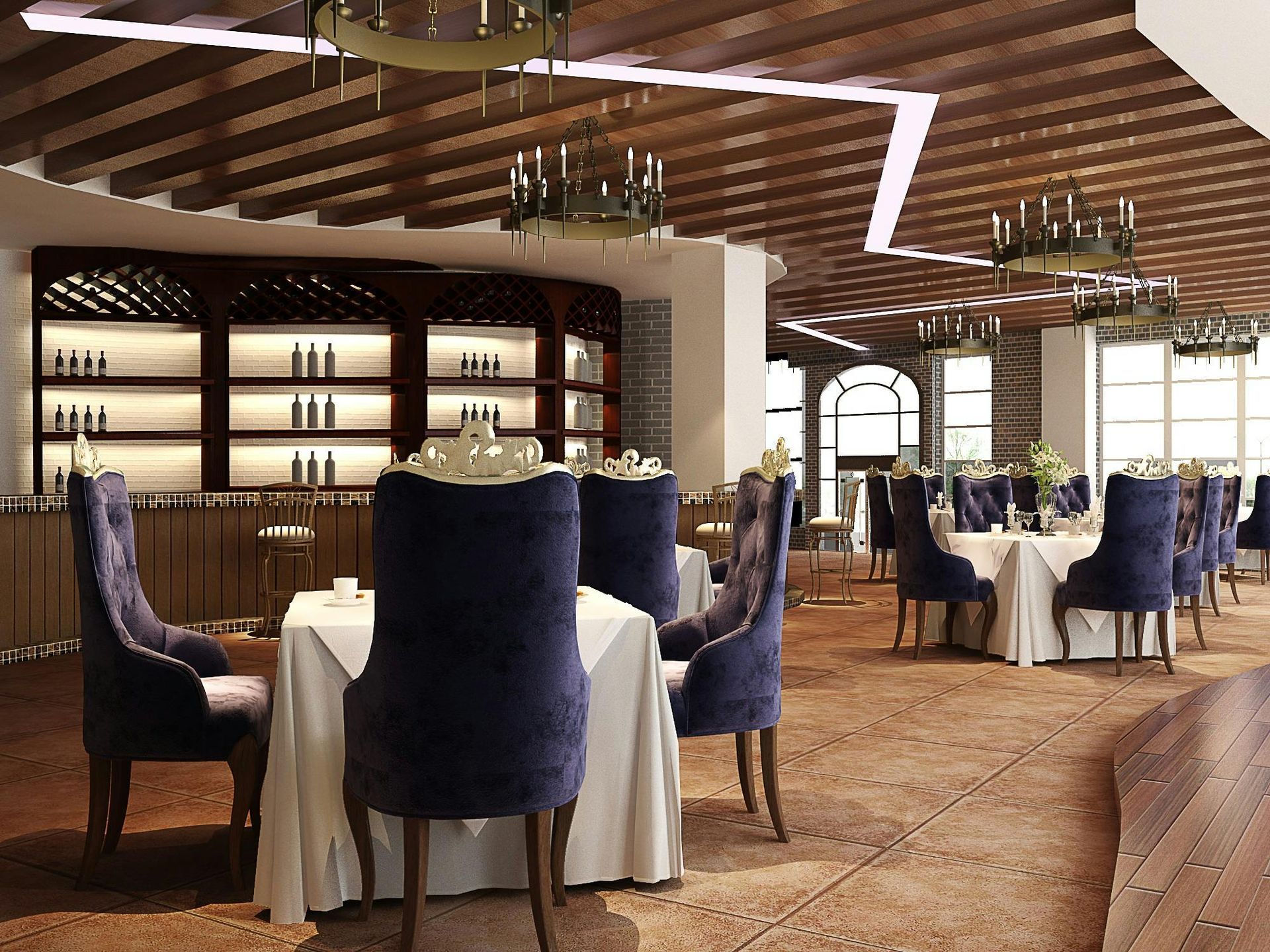
Kitchens Built for Operational Success No two restaurants operate the same way. A fast-casual burger concept has very different operational demands than a fine dining establishment. A high-volume seafood kitchen requires different infrastructure than a neighborhood bakery. That is why commercial kitchen design cannot be approached with a one-size-fits-all mindset. Specialty cuisine concepts demand custom solutions that align with menu, workflow, safety standards, and long-term growth plans. At Coast 2 Coast Solutions, turnkey commercial kitchen design begins with understanding the concept. Before equipment is selected or layouts are drawn, the operational vision must be clear. What type of cuisine is being prepared? What volume is expected? What are the peak service times? These answers guide the entire design process.
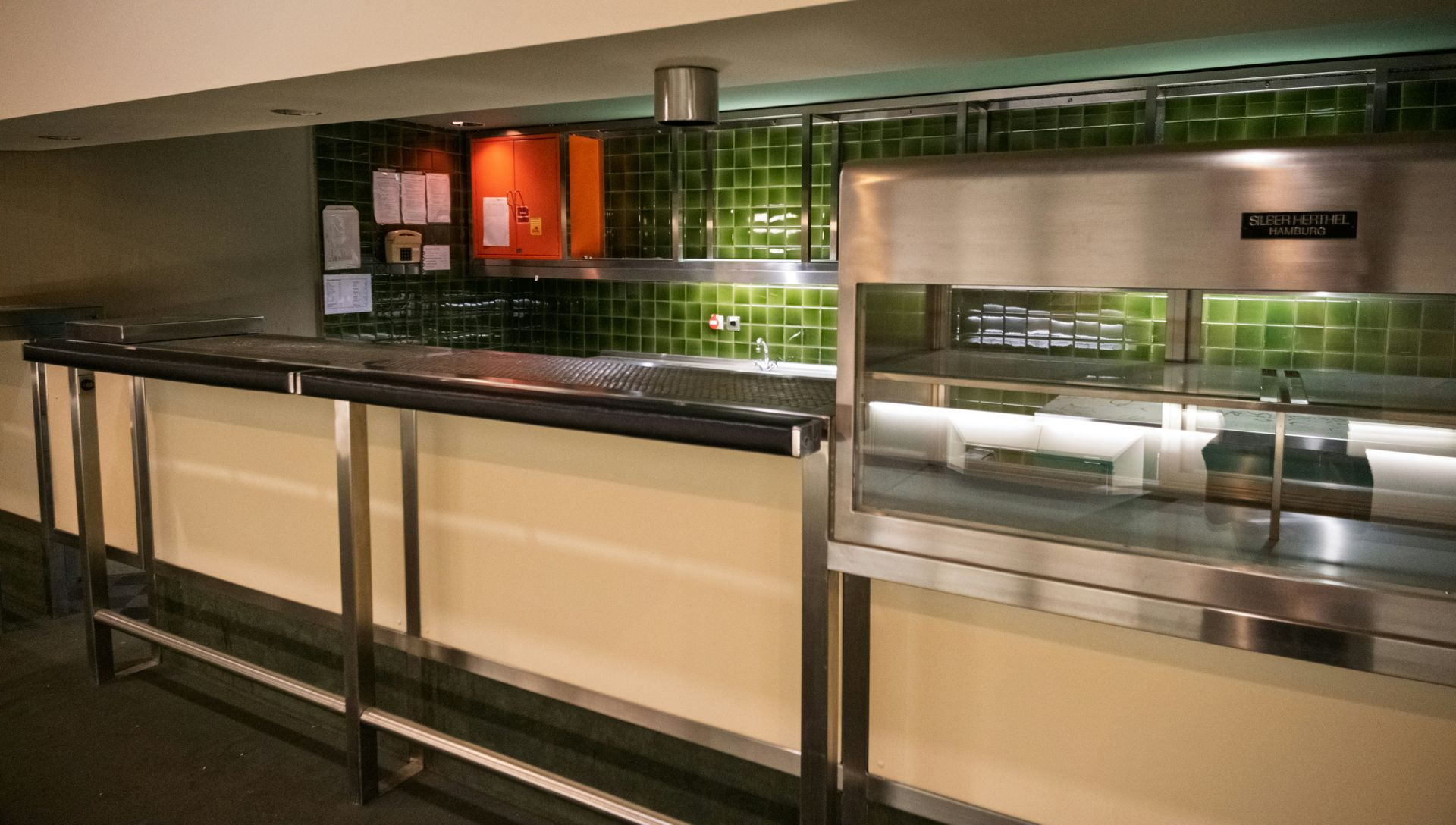
The Foundation of Safe and Compliant Commercial Kitchen Design Ventilation is one of the most important and often underestimated elements of commercial kitchen design. While equipment selection and workflow planning receive considerable attention, proper ventilation determines whether a kitchen operates safely, efficiently, and in compliance with local codes. At Coast 2 Coast Solutions Inc., ventilation planning is not an afterthought. It is a foundational component of every turnkey commercial kitchen design. Commercial kitchens generate significant heat, smoke, grease vapor, and moisture. Without an appropriately engineered ventilation system , these byproducts accumulate quickly. The result can be uncomfortable working conditions, elevated fire risk, premature equipment wear, and regulatory issues. Thoughtful ventilation planning addresses all of these concerns before construction begins.
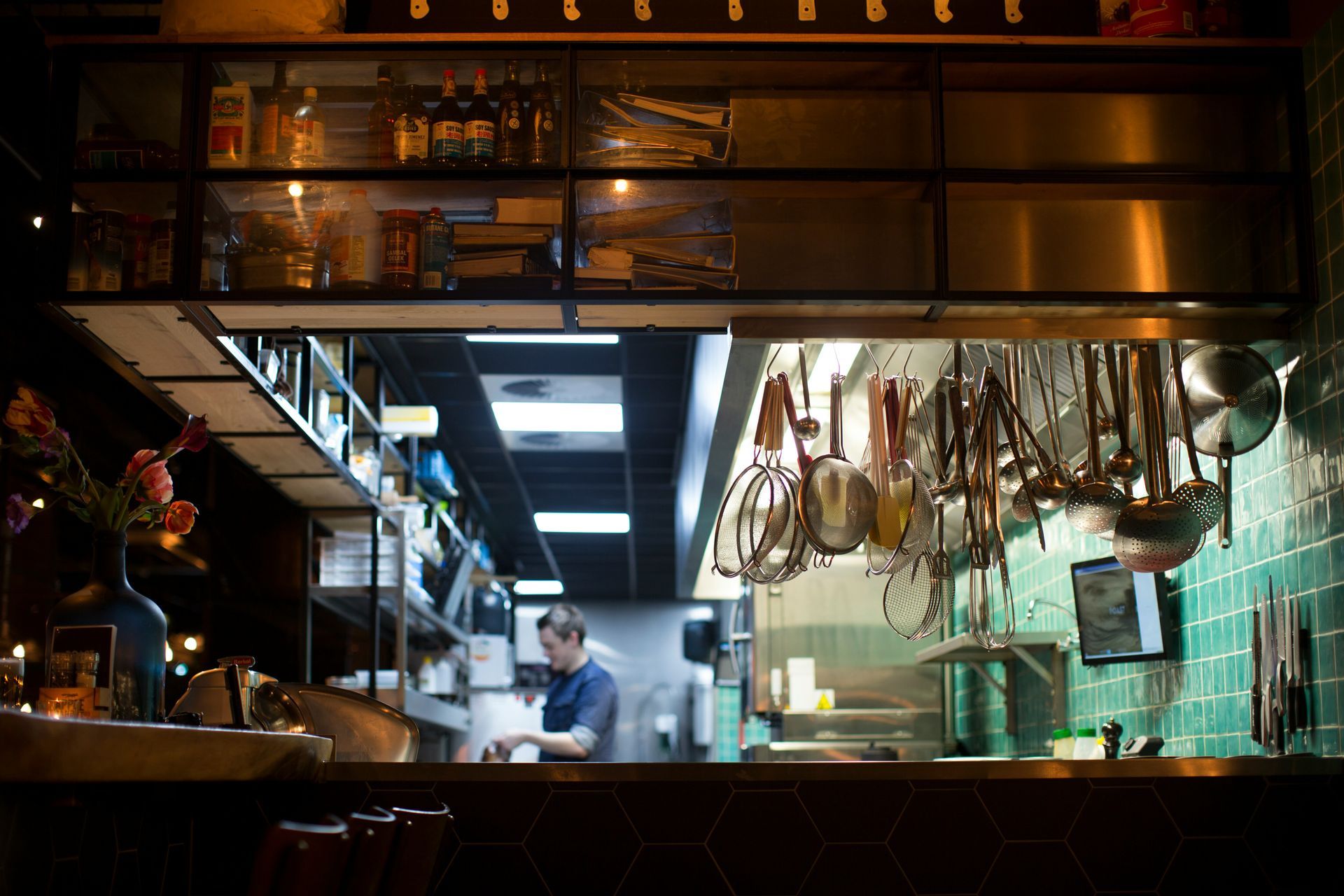
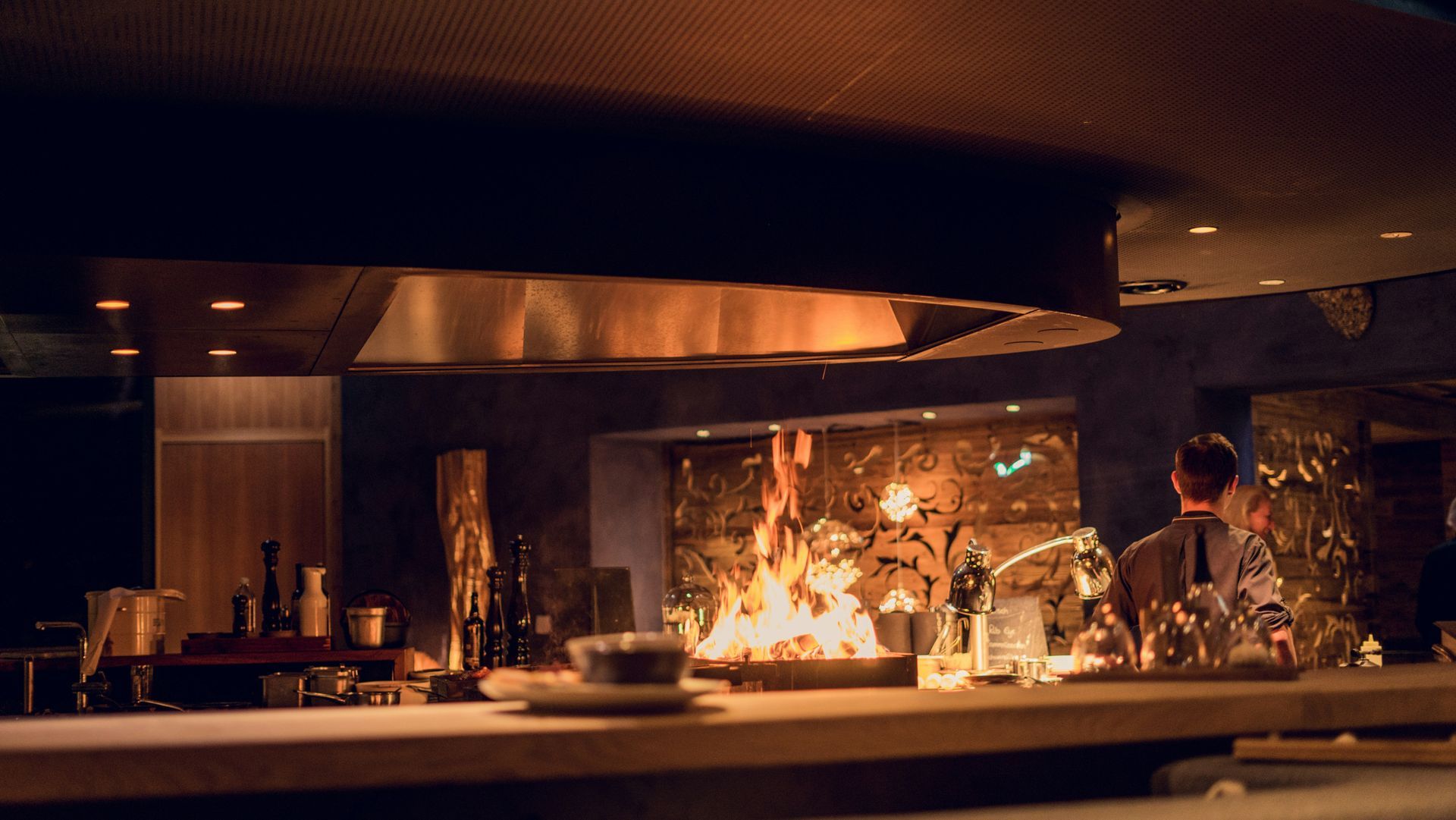
Open kitchen concepts have become increasingly popular in modern restaurants. Guests appreciate the transparency, energy, and sense of craftsmanship that comes from watching food prepared in real time. For operators, however, designing an open kitchen involves more than removing a wall. It requires careful planning to ensure that visual appeal does not compromise workflow, safety, or efficiency. At Coast 2 Coast Solutions, we design turnkey commercial kitchens that support performance behind the scenes while presenting a polished, professional image to guests. The Appeal of Open Kitchens Open kitchens create an immersive dining experience. Customers can observe culinary techniques, plating precision, and teamwork. This transparency often builds trust and elevates perceived quality. The design can also reinforce a restaurant’s brand identity, whether it is modern industrial, upscale contemporary, or rustic and traditional. However, visual appeal alone does not guarantee operational success. The kitchen must function seamlessly under pressure, especially during peak service periods.
Reducing Restaurant Build-Out Delays Through Unified Project Management Construction delays are one of the most common and expensive challenges faced by restaurant owners. Missed opening dates, extended downtime, and unexpected coordination issues can quickly inflate budgets and disrupt business plans. In many cases, these delays are not caused by a single mistake, but by fragmented responsibility across multiple vendors and contractors. Turnkey commercial kitchen design offers a more streamlined approach that helps reduce these risks by placing planning, coordination, and execution under one accountable structure. Why Delays Are So Common in Restaurant Projects Restaurant construction involves many moving parts. Design professionals, equipment suppliers, contractors, inspectors, and vendors must all work together on tight timelines. When these parties operate independently, communication gaps often emerge. Common delay triggers include design changes late in the process, equipment that does not fit the allocated space, ventilation or utility conflicts, and missed inspection requirements. Each issue may seem small in isolation, but together they can stall progress for weeks or months .
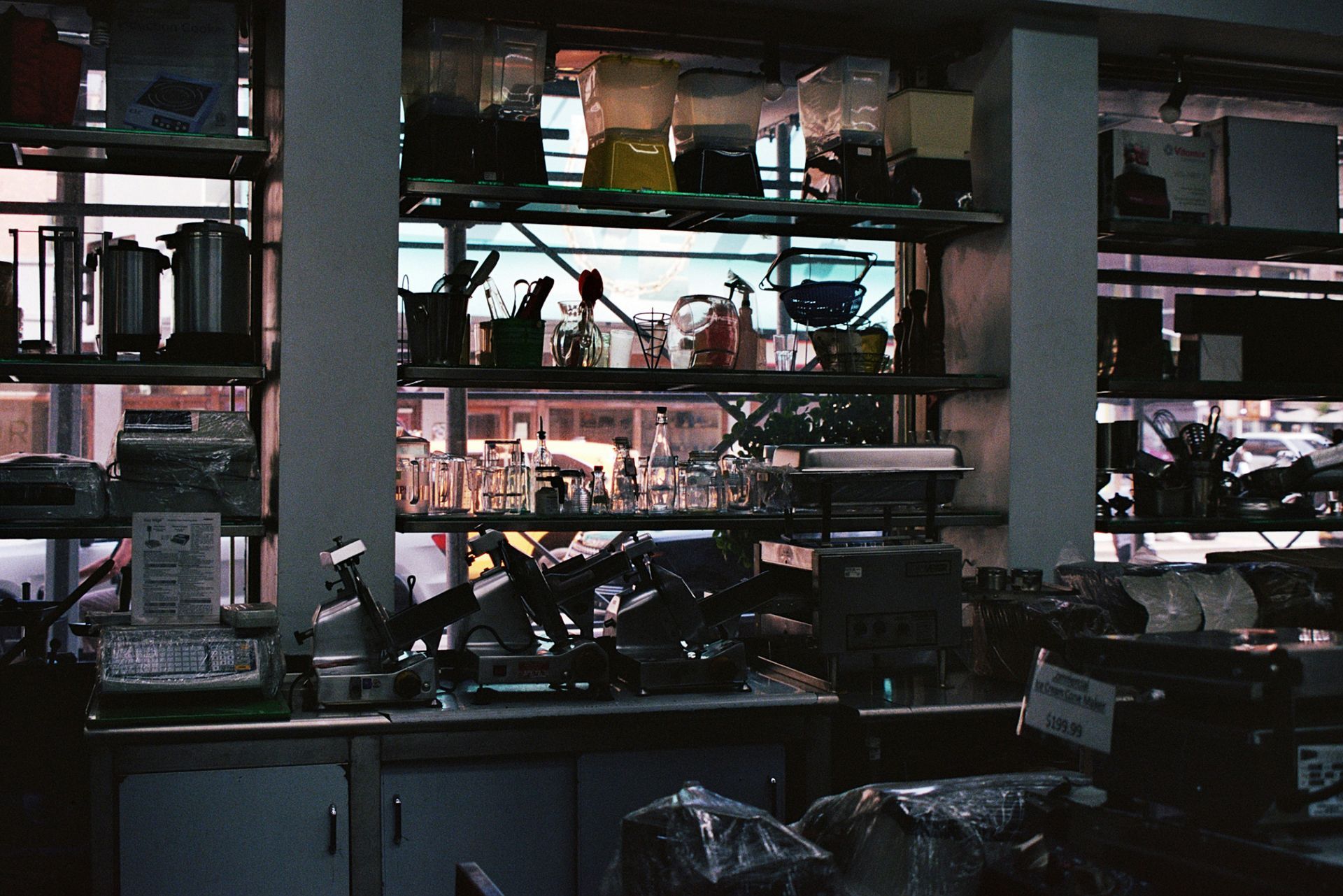
Expanding Menus Can Expose Hidden Kitchen Limitations For restaurant owners and operators, menu evolution is often a sign of success. Seasonal offerings, expanded cuisines, and new service formats help keep concepts fresh and competitive. However, many kitchens are designed only for the opening menu, not for what the operation may become. When growth occurs, limitations in the original kitchen design can quickly create operational challenges. Designing a commercial kitchen that supports future menu expansion requires foresight, flexibility, and a strategic approach from the beginning. Why Menu Growth Creates Design Pressure Adding new menu items often means adding new equipment, preparation steps, or storage needs. Without adequate space, power, ventilation, or workflow planning, these additions can disrupt efficiency and increase labor strain. Common issues include overcrowded cook lines, insufficient refrigeration, limited prep space, and bottlenecks between stations. These problems are rarely caused by the menu itself, but by a kitchen that was not designed with growth in mind.

Reducing Labor Strain Labor is one of the largest ongoing expenses in any food service operation . While many owners focus on wages, scheduling, and training, the physical layout of the kitchen itself plays a major role in how efficiently staff can work. Thoughtful commercial kitchen design can reduce unnecessary movement, improve communication, and allow teams to do more with fewer people, all without compromising quality or safety. At Coast 2 Coast Solutions, we see kitchen design as a strategic tool for controlling labor costs while supporting consistent performance. Movement Equals Labor Every step a cook, prep worker, or dishwasher takes requires time and energy . When kitchen layouts force staff to cross paths repeatedly, travel long distances between stations, or backtrack for tools and ingredients, labor inefficiency becomes built into daily operations. Over the course of a shift, small inefficiencies add up. Over the course of a year, they translate into higher staffing needs, longer ticket times, and increased fatigue. Efficient design minimizes unnecessary movement so staff can focus on production rather than navigation.
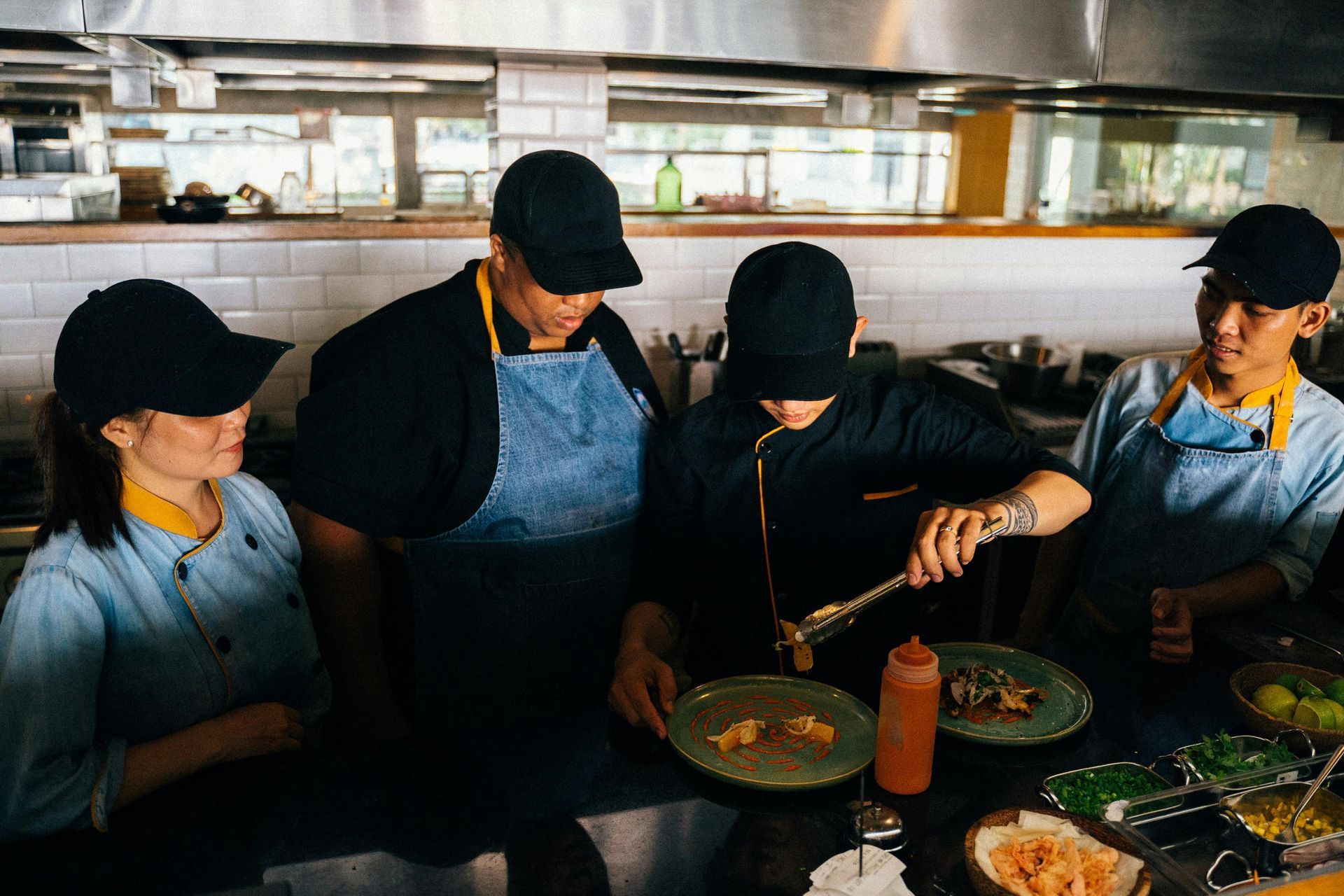
Seamless Service Starts Behind the Scenes Successful restaurants are built on more than good food and service. Behind every smooth dining experience is a carefully coordinated relationship between the front of house and the back of house. When these two areas are designed in isolation, inefficiencies, delays, and frustration often follow. Integrating front of house and back of house design from the beginning is essential for supporting service flow, staff coordination, and long term operational success. Why Separation Creates Problems In many restaurant projects, front of house design focuses on aesthetics and guest experience, while back of house design centers on equipment and production. When these areas are planned separately, critical connections are often overlooked. Poor integration can lead to long food travel distances, awkward service paths, bottlenecks near pass through areas, and unnecessary staff movement. Over time, these issues slow service, increase labor strain, and make training more difficult. Integration ensures that design supports how the restaurant actually operates during peak service.
Avoid Redesigns and Delays Code compliance is one of the most critical factors in the success of a commercial kitchen project. Yet it is also one of the most common areas where projects encounter delays, redesigns, and unexpected costs. When compliance is treated as an afterthought rather than a foundation, restaurant owners and operators often find themselves correcting issues that could have been avoided with proper planning from the start. Why Early Compliance Planning Matters Commercial kitchens are subject to multiple layers of regulation. Health departments, fire marshals, building inspectors, and local municipalities all have requirements that influence how a kitchen must be designed and built. These regulations affect everything from ventilation and equipment placement to flooring materials and electrical systems. When compliance is addressed late in the process, changes can be expensive and disruptive. Walls may need to be opened, equipment relocated, or systems upgraded. Planning for compliance from day one reduces the risk of failed inspections and helps keep projects on schedule.